



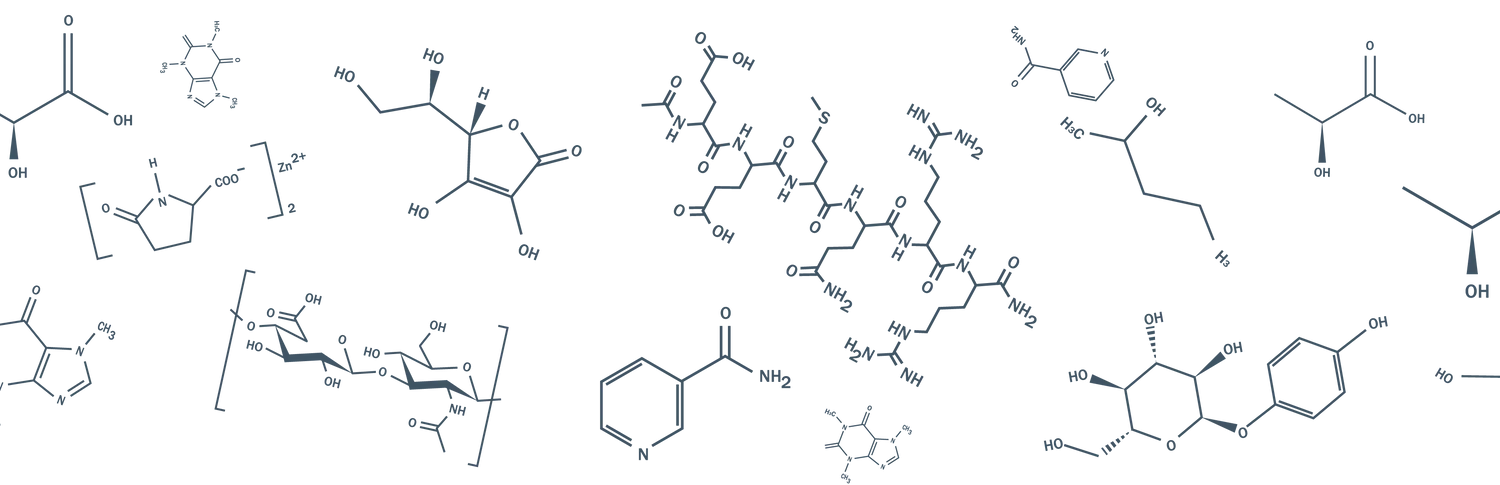
Collapsible content
Alfa Hidroksi Asit/ Alpha Hydroxy Acid
Alpha hydroxy acids (AHAs) are a class of chemical compounds that are frequently used in cosmetics and dermatology. AHAs are organic acids consisting of a carboxylic group substituted by a hydroxyl group on the adjacent carbon. AHAs can occur naturally as an acid component of many botanical substances, such as fruits, but can also be produced synthetically. Common examples are lactic acid, citric acid, or glycolic acid.
Names and sources of commonly used AHAs:
• Lactic acid: Dairy products
• Citric acid: Citrus
fruits
• Mandelic acid: Bitter almonds
• Glycolic acid: Cane
sugar
• Tartaric acid: Fermented grapes
• Ascorbic acid: Fruits
• Malic acid: Apples
Products containing AHA The area of indication ranges from skin hydration, wrinkle reduction and, most importantly, deep chemical exfoliation of the skin. AHAs in acne treatment and prevention: Acne occurs when pores become clogged by dead skin cells, oil (sebum) or bacteria. Exfoliating with AHAs helps loosen and clear congestion. Continuous use can also prevent future blockages from forming. AHAs also help reduce the size of enlarged pores, which are commonly seen in acne-prone skin. The skin cell turnover effect from exfoliating glycolic and lactic acids reduces acne scars. Anti-aging effect of AHAs: Studies have observed a reduction in coarse tissue and wrinkles, as well as an increase in epidermal thickening and dermal collagen thickness after the use of Alpha Hydroxy Acid. Skin discoloration: AHAs have been shown to support smoother skin formation and at the same time reduce skin color unevenness.
Source:
• Improving the cosmetic appearance of photoaged skin with glycolic acid. J Am Acad Dermatol 1997; 36: 1011–3.
• Fruit acid facial scrubs. Dermatological and esthetic correction with alpha‐hydroxy acids (AHA). Hautarzt 1999; 50: 448–60.
• Alpha hydroxy acids in skin care. Clin Plast Surg 1996; 23: 49–56. • Comparison of alpha‐ and beta‐hydroxy acid chemical peels in the treatment of mild to moderately severe facial acne vulgaris. Dermatol Surg 2008; 34: 45–50; discussion 1.
• Efficacy of an alpha‐hydroxy acid (AHA)‐based cream, even in mo‐notherapy, in patients with mild‐moderate acne. G Ital Dermatol Venereol 2010; 145: 319–22.
• Clinical improvement of photoaged skin with 50% glycolic acid. A double‐blind vehicle‐controlled study. Dermatol Surg 1996; 22: 455–60.
• Treatment of photoaging – A personal comment and open study of the use of glycolic acid. J Dermatologist Treat 1993; 4: 215–8.
• Effects of alpha‐hydroxy acids on photoaged skin: a pilot clinical, histologic, and ultrastructu‐ral study. J Am Acad Dermatol1996; 34: 187–95
Beta Hidroksi Asit/ Beta Hydroxy Acids
Alpha hydroxy acid (AHA) and beta hydroxy acid (BHA) are the two main classes of hydroxy acids. While both Alpha hydroxy acids (AHA) and Beta hydroxy acids (BHA) act as exfoliants,BHAsIt has also been observed to be effective in reducing the appearance of fine lines and wrinkles and improving overall skin texture. It is also used to treat various skin conditions such as acne scars, scarring, pigmentation, dry skin, and wrinkles. Beta Hydroxy Acids (BHAs) such as salicylic acid are very similar to AHAs, except for the difference in their solubility. One of their other remarkable features is that, unlike AHAs, they are lipid-soluble. Thanks to these properties, they are easier to penetrate the skin through fat follicles, making them more suitable for patients with oily skin and open comedones. It is important to note that BHAs (e.g. Salicylic acid) in addition to proving its anti-inflammatory effect, their skin irritating effect has also been proven to be less than that of AHAs.
Arbutin
Arbutin is one of the most widely recommended skin lightening and pigmenting agents worldwide. Due to its structure, arbutin has activities that inhibit the formation of melanin, which can be useful in the treatment of hyperpigmentation, and this makes it a recommended ingredient in skin tone unevenness treatments. Arbutin is obtained in high levels from bearberry plants, but it is also found in low amounts in the leaves of pear, cranberry and blueberry trees and in wheat and inhibits melanin production.Why is arbutin important? Basically, brown or dark spots on the skin are made up of pigments called melanin, which are produced by melanocyte cells that contain tyrosinase enzymes. Melanin causes skin discoloration, and in fact, melanin is the skin's defense tool against the sun and other factors, and during this defense, it creates permanent or temporary spots on the skin. These pigments can be activated whenever they come into contact with UV rays, so exposure to the sun too intensely is an important reason for the formation of spots or freckles becoming visible. We can say that acne, hormones, misused cosmetics or drugs are as effective as the sun in the formation of skin blemishes. When arbutin is applied topically, it prevents the formation of melanin by inhibiting the enzyme tyrosinase. Thanks to this feature, it is used as a skin lightener and anti-dark spot.Important features of arbutin;• It reduces the sun-induced darkening of spots by inhibiting the tyrosinase enzyme.• Compared to many anti-blemish active ingredients, it is unlikely to irritate the skin.• It can be easily incorporated into a skincare routine because it is compatible with other active ingredients.• It is also very effective in acne blemishes.Source:• The significance of arbutin and its derivatives in therapy and cosmetics, Phytochemistry Letters, Volume 13, September 2015, Pages 35-40• Cosmeceuticals for Hyperpigmentation: What is Available?, 2013 Jan-Mar; 6(1): 4–11.• Natural Resources Containing Arbutin. Determination of Arbutin in the Leaves of Bergenia crassifolia, 129–132. Archived from the original on 2011-08-23.• Skin Lightening Preparations and the Hydroquinone Controversy, Sep-Oct 2007; 20(5):308-13.
C Vitamini / Vitamin C
Vitamin C can help protect the skin from many problems, including sunburn, photoaging, hyperpigmentation, wrinkles, sagging, dryness, and uneven skin tone. Due to its antioxidant properties, vitamin C helps your skin's natural regeneration process and contributes to the repair of damaged skin cells.
Benefits of Vitamin C for Skin:• It neutralizes and cleans free radicals and minimizes the visible effect of stress caused by environmental factors on the skin.• Increases the production of barrier lipids and supports the skin's moisture barrier.• Helps reduce fine lines and wrinkles, promoting firmer and more elastic skin.• Reduces melanin production, brightens the skin and minimizes the appearance of dark spots.• Increases skin cell turnover and removes dead and damaged skin.• Increases collagen production.Source:• Role of Vitamin C in Skin Diseases. Frontiers in Physiology, 9.201• Topical Activity of Ascorbic Acid: From in vitro Optimization to in vivo Efficacy. Skin Pharmacology and Physiology, 17(4),pp.200-206.2004• Sodium L-ascorbyl-2-phosphate 5% lotion for the treatment of acne vulgaris: a randomized, double-blind, controlled trial. Journal of Cosmetic Dermatology, 9(1), pp.22-27.2010
Zinc PCA/Zinc PCA
Zinc PCA is the Zinc salt of pyrrolidone carboxylic acid. It provides acne control by reducing sebum secretion and also helps the skin maintain its moisture. Thanks to its structure, zinc metal salts dry out acne-induced inflammation, and at the same time reduce sebum secretion and control the activity of the sebaceous glands. It is a simple molecule, naturally produced by our body and is one of the "natural moisturizing factor" components that our skin produces to slow down water loss. How does Zinc PCA work? Zinc PCA helps fight viruses and bacteria. Zinc also has anti-inflammatory properties. This helps alleviate redness and irritation associated with moderate to severe acne.
Zinc is also recommended for other inflammatory skin conditions, including:
Glikolik Asit/ Glycolic Acid
Glycolic acid; It is one of the chemical exfoliants in the Alpha Hydroxy Acid (AHA) family. It improves the tone and texture of the skin, helping to enhance its overall appearance. It provides a more vibrant, smooth and youthful-looking skin texture. Glycolic acid, thanks to its small molecule structure, has the ability to easily penetrate the layers of the skin, and it is also an expert in removing dead cells and excess sebum on the skin.
Important benefits of glycolic acid:• It helps reduce hyperpigmentation and contributes to balancing skin tone.
• It supports collagen production and supports the removal of fine lines and deep wrinkles.
• It helps the skin look more vibrant and smooth by contributing to the removal of dead cells from the skin.
• It helps to purify the pores from oil, dirt and dead cells and is effective in reducing the appearance of pores. Since glycolic acid has a peeling effect on the skin, it can cause the skin to become vulnerable to UV rays. For this reason, sunscreen must be used after the application and in the following days. It is suitable for use on all skins except sensitive skin.
Source:• The Effect of Glycolic Acid on the Treatment of Acne in Asian Skin ,19 June 2013,Citations: 25
• Glycolic Acid Treatment Increases Type I Collagen mRNA and Hyaluronic Acid Content of Human Skin, 20 December 2001, Citations: 21
Hyaluronik Asit/ Hyaluronic Acid
Hyaluronic acid (HA) plays a multifaceted role in regulating various biological processes such as skin repair, wound healing, tissue regeneration, and anti-inflammatory. Due to its exceptional biomedical and tissue regeneration potential, HA is an indispensable active ingredient in dermocosmetic products. The improved skin hydration offered by hyaluronic acid is achieved through collagen and elastin stimulation and skin surface restoration. Hymagic-4D, a combination of four types of Hyaluronic Acid with different properties, establishes a three-dimensional network by targeting different layers of the skin to retain moisture and add moisture to the skin. In this way, the skin is completely moisturized and this directly improves the elasticity of the skin.
Hyaluronic Acid 3D effect technology;1. Three-dimensional network structure; Hymagic-4D forms a three-dimensional network to maintain skin moisture. 2. Accurately targeting different layers of the skin; When applied to the skin, Hymagic-4D targets different layers of the skin, such as the skin surface, cuticle, epidermis, and dermis, thereby providing immediate three-dimensional moisturizing efficacy, external moisture, and retaining moisture.
4 Different Hyaluronic Acids together;• Sodium Hyaluronate Crosspolymer forms a protective dense film on the surface of the skin that reduces water loss, as well as provides 24-hour hydration and anti-pollution/anti-UV capabilities.
• Sodium Hyaluronate retains moisture and nourishes the skin surface by retaining water on the skin surface.
• Sodium Acetylated Hyaluronate adheres firmly to the skin surface layer and provides excellent hydration and damaged skin repair.
• Hydrolyzed Sodium Hyaluronate quickly penetrates the epidermis and dermis, hydrating the skin from within and restoring lost moisture.
3. Three-dimensional humidification; The results of dermatological tests show that after 1 hour of application, Hymagic-4D application increased skin hydration by 155.1% and skin TEWL, that is, transepidermal water loss, decreased by 32.3%. Hymagic-4D can provide instant three-dimensional moisturizing efficacy to continuously hydrate the skin. From the inside, it increases skin hydration and makes the skin smooth and elastic.
Source:• International journal of biological macromolecules, 120(Pt B) · September 2018.
Caffeine/Caffeine
Caffeine is a powerful antioxidant known for its anti-aging benefits. Caffeine, which has a vasoconstrictor effect, acts by constricting blood vessels, helping to reduce inflammation and bloating. It also tightens the skin, brightens it, reduces wrinkles and visibly reduces cellulite on the body.
Benefits of Caffeine:• Reduces Puffiness: Caffeine is a great topical ingredient for enhancing puffiness and improving circulation in the skin, which is why it is Considered a vital ingredient for under-eye puffiness.
• Contains Antioxidants: By using products containing antioxidants, such as those found in caffeine, you can limit the amount your body produces free radicals, which prevents the formation of fine lines and wrinkles.
• Helps Collagen Production: Caffeine helps in the production of collagen and elastin through the amino acids it contains.
• Reduces Cellulite: Caffeine is the main ingredient in cellulite creams and is formulated with ingredients that increase blood flow to stimulate the removal of fatty acid from the fat layer.
Source:• Skin pharmacology and physiology 26(1):8-14 · January 2013
• Does Caffeine Really Make a Difference in Skincare Products?. April 16, 2020
Niacinamide/ Niacinamide;
Niacinamide is one of the most common and used ingredients in the cosmetics and dermocosmetic sectors that everyone is curious about. What makes this material special? Why do brands and people struggle to learn more about it every day? What is Niacinamide? Niacinamide, also called nicotinamide, is a form of active niacin, a vitamin B3 and an essential nutrient. Vitamin B3 deficiency can lead to skin problems. Niacinamide helps prevent Viramin B3 deficiency. Vitamin B3 also plays an important role in digestion and mental health and supports the functioning of more than 200 enzymes in the body.
Why is Niacinamide Important?The topical form of niacinamide has a wide range of skin care benefits. These can be listed as follows. Benefits of niacinamide for skin:
• Lipid barrier: Niacinamide helps your skin develop a ceramide (lipid) barrier, which allows the skin to retain moisture. This is beneficial for all skin types, especially individuals with eczema or mature skin.
• Minimizes redness and blemishes: Niacinamide helps alleviate redness by reducing inflammation in eczema, acne, and other inflammatory skin conditions.
• Minimizes pore appearance: Keeps the skin smooth and hydrated, leading to a natural reduction in pore size over time.
• Regulates the skin's oil content: The benefits of moisture retention are not just for those with dry skin types. Niacinamide also helps regulate the amount of oil produced by the sebaceous glands and prevents excessive sebum production.
• Protects against sun damage: Niacinamide also helps regenerate healthy cells and protects them from damage caused by ultraviolet rays.
• Treats hyperpigmentation: A study found that niacinamide content can help lighten dark spots. Benefits were observed after four weeks. This is caused by increased collagen production.
• Minimizes fine lines and wrinkles: Niacinamide helps reduce some signs of sun damage, including fine lines and wrinkles.
• Protects against stress-induced cell damage: Niacinamide helps build the skin's cells while protecting it from environmental factors such as sunlight, pollution and toxins.
• Treats acne: Following the use of niacinamide, you may see fewer lesions and improved skin texture over time. Niacinamide balances the proportion of oil in the skin by controlling the production of sebum that causes acne-related blackheads, pimples, and blemishes (oil naturally produced to protect and hydrate the skin).
•Brightens the skin: Niacinamide reduces skin discoloration (pigmentation) by disrupting the action of one of the key enzymes needed for melanin production, which is produced by the skin in response to harmful sunlight and causes darkening and pigmentation of the skin.
Source:• Everything you need to know about using niacinamide on your skin, CBC Life, March 14, 2019.
• Niacinamide, Breast Cancer website sources, Therapeutic Research Faculty, publishers of Natural Medicines, Prescriber's Letter, and Pharmacist's Lette.
• Gehring W, Nicotinic acid/niacinamide and the skin, J Cosmet Dermatol. 2004 Apr; 3(2):88-93.
• The effect of 2% niacinamide on facial sebum production, J Cosmet Laser Ther. 2006 Jun; 8(2):96-101.
Panthenol (Vitamin B5)
Panthenol is an active ingredient used in dermatology to maintain skin health, moisturize and soften the skin surface and for barrier repair.
The importance of Panthenol (B5) in Skin Care;
• Panthenol is easily absorbed by the skin thanks to its fast penetration feature and shows its effect. • Since panthenol is absorbed into the skin, it also improves the appearance of the skin by filling wrinkles and cracks with water.
• Thanks to the water-retaining feature of Panthenol, it helps the skin to have a more beautiful and soft appearance by drawing moisture into the skin.
How do we meet our Vitamin B5 needs?The best sources of vitamin B5 include fish, meat, whole grains, milk, eggs, avocados, mushrooms, peanuts, legumes. However, it must be eaten in large quantities in order to benefit the skin. For this reason, the skin's vitamin B5 needs should be partially met with the cosmetic products you use.
What does Vitamin B5 do?• It is a powerful moisturizer. It is used for intense moisturizing of hair, nails and skin. It has a moisturizing effect by both attracting and retaining water from the outside to the skin; It acts as a sponge.
• It increases the elasticity of the skin. It has an anti-aging effect by stimulating collagen production. It supports the formation of a fuller and younger skin.
• It plays a role in the development of the skin's protective barrier function by increasing the synthesis of lipids in the outermost layer of the skin.
Source:• In Vivo Efficacy and Properties of Semisolid Formulations Containing Panthenol, 2019 Feb; 18(1):346-354. doi: 10.1111/jocd.12527. Epub 2018 Mar 25
• Panthenol, National library of medicine.
• Design, Optimization and Characterization of Coenzyme Q10- And D-panthenyl Triacetate-Loaded Liposom, 2017 July 7.
Azelaic Acid
Azelaic acid (COOH-(CH2)7-COOH) is a medium-chain-length saturated, 9-carbon atom dicarboxylic acid that has recently been shown to have significant biological activities and some useful practical therapeutic applications. It is a type of acid that is naturally found in grains such as barley, wheat and rye. It is the acid with antimicrobial and anti-inflammatory properties. It is a gentler exfoliant compared to other acids, so it is also suitable for sensitive skin. Azelaic acid, which helps improve skin tone and texture, is especially preferred in the treatment of acne and rosacea. It reduces the presence of bacteria that cause acne and inflammation and treats redness and uneven skin tone problems on the skin. It also reduces keratin production, which can help limit skin breakouts.
• Helps reduce acne problems. Azelaic acid exhibits bacteriostatic and bactericidal properties against various aerobic and anaerobic microorganisms found in acne-prone skin. It is a preferred type of acid for cystic acne. With its anti-inflammatory effect, it helps the spots to lighten over time and become less visible. It accelerates
the equalization of skin tone by increasing cell renewal • It treats the reddened appearance of the skin. Thanks to its content, it regulates the normal growth process of cells. It is effective
in reversing the red appearance caused by vasodilation such as rosacea• It has a peeling effect. With regular use, it provides a smooth appearance by exfoliating the skin. Reduces
the appearance of enlarged pores• Reduces signs of aging. Since it contains reactive oxygen species, it evens out skin blemishes and color tone, providing a younger and healthier-looking skin appearance.
Malic Acid
Deep cleansing aims to provide cellular regeneration, acne prevention and pore cleansing with sebum control and exfoliation. It also promotes collagen production, reducing wrinkles and providing a smooth and radiant appearance.
Ferulic Acid
Ferulic acid is an antioxidant-rich active that fights aging, fine lines, wrinkles, discoloration, and damaged skin cells. Ferulic acid can be easily absorbed by the skin and is a successful active ingredient when it comes to fighting free radicals and preventing cell damage. Ferulic Acid continues to protect from the damage of ultraviolet rays and moisturize at a high level after skin care. With its antioxidant properties, it accelerates cell repair and lightens photodamage, congenital spots, sunspots, freckles and dark spots that are about to become permanent. With its natural whitening effect, it gives a dazzling flawless skin. It helps prevent the signs of aging and the formation of expression lines. Ferulic Acid plays a major role in tightening the skin as it contains plenty of Vitamin C due to its structure. It is very effective in collagen formation and accelerates blood circulation.
Tasmanian Pepper (Tasmannia Lanceolata Fruit Extract,)
Tasmannia lanceolata, commonly known as Tasmanian Pepper or Mountain Pepper, is a shrub native to temperate rainforests and woodlands in the southeastern part of Australia. Tasmanian Pepper is a fruit of the Tasmanian lanceolata tree, which has a delicious pepper-like flavor and aroma with a combination of woody sweetness and herbal tones. It is considered a superfood for the skin because it is rich in antioxidants that revitalize and rejuvenate the skin and treat dry, itchy and inflamed skin. Herbal active obtained from Tasmanian pepper; It is a water-soluble (and alcohol-soluble) anti-inflammatory active ingredient. It has a soothing effect in cases of sensitivity such as irritation, burning, stinging and itching. It is effective in making the skin more comfortable by showing an immediate effect on skin redness.
Centella Asiatica Extract (Gotu cola extract)
Centella Asiatica, also known as Gotu Kola, is native to Indonesia, China, India and Southeast Asia. Perhaps the most important feature of this special plant, which is a rich source of amino acids, flavonoids, phytosterols and fatty acids, as a skin care product is that it helps heal wounds, acne and blemishes. Gotu kola accelerates blood circulation by increasing blood flow in the area in question in a skin struggling with such problems. In this way, the skin, whose oxygenation increases, is both renewed and strengthened. In general, we can summarize its benefits as follows:• The combination of amino acids, fatty acids, beta carotene and phytochemicals in its content accelerates the healing time in the treatment of skin blemishes, acne scars, burns and wounds.• It strengthens the skin by increasing antioxidants in the problematic area of the skin.• It helps the skin maintain its elasticity by accelerating blood circulation.•Collagen fibersAnd thanks to its ability to form elastin, it delays skin aging, helps reduce wrinkles and cracks, and supports the strengthening of hair and nails.• It contributes to the elimination of skin redness and dryness.• It improves the epidermal barrier function of the skin.• It helps to relieve skin irritations.
Pepha Age (Scenedesmus Rubescens Extract)
A microalgae that minimizes the appearance of aging after exposure to UV and blue light. It reduces skin damage caused by natural and artificial blue light sources and improves overall skin appearance. It acts as an anti-aging and sunscreen agent. It protects against UV and blue light-induced skin damage. It stimulates collagen III production and reduces the number of sunburn cells and oxidative stress. It also improves the overall skin appearance and provides a beautiful skin appearance. It contains amino acids, vitamins (B3), algae saccharides and minerals (Zn). It instantly and powerfully reduces hyper-pigmentation and irritation on the skin after exposure to blue light and restores an even skin tone. It is used to formulate day, sun, after-sun and regenerating night care products.
• In vitro:
• stimulates
up to 34% of total collagen to reduce visible signs of sunlight-induced aging• protects fibroblasts (up to 50%) from UV stress and rebuilds
fibroblast functionality (up to 200%) after UV stress• Reduces
the number of sunburned cells against UVA by 63%• In vivo:
• Proven to be highly effective against hyper-pigmentation:
• Immediate reduction in skin pigment darkening (-30%)
• Rebalance the skin to normal pigmentation faster and restore
even skin tone• Reduction
of blue light-induced skin redness• Ex vivo:
• Reduces free radicals from blue light by up to 35%.
• Reduces carbonylated proteins from blue light by up to 61%.
• Collagen III increases production by 29%.
Acetyl Hexapeptide-8
It has a preventive effect on the formation of dynamic wrinkles. It helps restructure the skin by stimulating collagen production. It helps moisturize the skin.
Retinol
The most commonly used form in dermocosmetic products is retinol. In order to take effect, it first turns into retinal and then into retinoic acid. The reason why all retinoids convert to retinoic acid is that only retinoic acid can bind to the relevant receptors.
It improves the appearance of wrinkles by increasing the amount of GAG and collagen.
Retinol, a derivative of vitamin A, is in the group of retinoids that increase collagen production in the skin. Since it activates the skin to produce new cells, it offers powerful anti-aging effects when added to the skin care routine, from reducing the appearance of wrinkles to tightening the skin.
Retinol, which also plays an important role in the treatment of acne and provides solutions to almost every skin problem; It helps tighten pores, brighten and even out skin tone, reduce the appearance of dark spots, and control hyperpigmentation. It also acts as an antioxidant and fights free radical damage, which is one of the causes of signs of aging on the skin.
Things to Consider in Use:
• Since vitamin A is very unstable, it may lose its effectiveness as a result of contact with light and air. It should be stored in airtight, dark colored packaging.
• It should only be applied in the evening as it may cause photosensitivity.
• It should always be used with moisturizers as it can cause dryness and irritation on the skin.
• It should be started by using a low percentage.
• It is contraindicated in pregnancy.
• It is expected to take effect after an average of 8-12 weeks.
Products containing peeling acids such as alpha hydroxy acid (AHA), beta hydroxy acid (BHA) and poly hydroxy acid (PHA) should be suspended when using retinol, as they will increase the sensitivity of the skin.
Source:• The role of topical retinoids in the treatment of photoaging. Drugs. 2005; 65(8):1061-72.
• Retinoids in aging. Clin Dermatol. Mar-Apr 1996; 14(2):207-15.
• Cosmeceuticals: the evidence behind the retinoids. Aesthet Surg J. 2010 Jan; 30(1):74-7.
• Bikowski JB. Mechanisms of the comedolytic and anti-inflammatory properties of topical retinoids. J Drugs Dermatol. 2005 Jan-Feb; 4(1):41-7.
Acmella Oleracea
Acmella oleracea, scientific name Spilanthes oleracea, is a plant of the Asteraceae family (Compositae) native to South America and grows spontaneously in all humid places around the world, especially in Brazil, Peru and tropical Africa. It is prevalent in Australia, India, Malaysia, and Sri Lanka, and is widely used in traditional medicine for the treatment of various ailments and ailments.
It improves the appearance of the skin while having a stretching effect that functions as a natural facelift for the face. Its finely yellow-red, almost flaky, flowers contain 1.25% Spilantol. It is a plant-based alkaloid. It is favored for its firming and anti-wrinkle properties.
Vaccinium Myrtillus Fruit Extract
Common blueberry, which can be grown in acidic and organic matter-rich microclimate areas around the world, is in the genus Vaccinium in the Ericaceae, that is, the heather family. In some sources, it is also known as "European Blueberry". In some European countries, especially in the USA, blueberries are cultivated on thousands of hectares. Its cultivation in our country was started in Rize in the 2000s.
It has been used in the treatment of many ailments due to its abundant phenolic compounds. Fruit and leaf extracts are used in skin care for their antioxidant and anti-aging effects.
It is a good source of anthocyanins. So what is anthocyanin?Anthocyanins strengthen the skin's defenses against environmental stressors (such as damaging UV rays), which helps reduce the onset of wrinkles, dark spots, and other signs of aging.
Vaccinium myrtillus fruit extract has also been proven to offer calming properties. It is especially beneficial for problematic or sensitive skin.
Another beneficial feature is that the antioxidant properties of Vaccinium myrtillus fruit extract have been understood to be protective and stabilizing properties not only for the skin but also in certain mixtures in the formulation.
Source:• International Journal of Food Sciences, August 2014, pages 594-601
• Journal of Photochemistry and Photobiology, March 2014, pages 27-35
• Pharmacognosy Research, July-September 2011, pages 173-177
• Herbal Medicine: Biomolecular and Clinical Aspects 2nd edition, 2011, chapter four
• Biofactors, January 2008, pages 249-266
• G, Göktaş, Determination of phenolic compounds of blueberry (Vaccinium myrtillus/Vaccinium corymbosum) by LC-MS/MS, (2013).
Ethylhexyl Methoxycinnamate
Octinoxate is also known as Octyl Methoxycinnamate. It is one of the most widely used oil-soluble chemical sun filters. It is highly preferred in cosmetics because it has an elegant version. It absorbs UVB radiation between 280-320nm and provides maximum protection at 310nm.
It does not protect against UVA rays, so it must be supplemented with other filters. It is also not very stable. When exposed to sunlight, it loses 10% of its ability to maintain SPF within 35 minutes.
It is allowed to be used up to 10% in the EU and up to 7.5% in the United States. For this reason, it is classified as "Safe as used".
In vitro studies have shown that it can produce hormonal (estrogen-like) effects. There is no need to panic at this point because the studies were not conducted on real people and under real-life conditions. Therefore, it is also unnecessary to avoid Octinoxate altogether. However, if you are pregnant or a child under 2 years old, you can choose a sunscreen with a physical (zinc oxide/titanium dioxide) or new generation filter to be on the super safe side. :)
Source:• Couteau, C., et al. "Study of the efficacy of 18 sun filters authorized in European Union tested in vitro." Die Pharmazie-An International Journal of Pharmaceutical Sciences 62.6 (2007): 449-452.
• Couteau, Céline, et al. "Study of the photostability of 18 sunscreens in creams by measuring the SPF in vitro." Journal of pharmaceutical and biomedical analysis 44.1 (2007): 270-273.
• Chatelain, Eric, and Bernard Gabard. "Photostabilization of Butyl methoxydibenzoylmethane (Avobenzone) and Ethylhexyl methoxycinnamate by Bis-ethylhexyloxyphenol methoxyphenyl triazine (Tinosorb S), a New UV Broadband Filter." Photochemistry and Photobiology 74.3 (2001): 401-406.
• Janjua, Nadeem Rezaq, et al. "Systemic absorption of the sunscreens benzophenone-3, octyl-methoxycinnamate, and 3-(4-methyl-benzylidene) camphor after whole-body topical application and reproductive hormone levels in humans." Journal of Investigative Dermatology 123.1 (2004): 57-61.
• Schlumpf, Margret, et al. "In vitro and in vivo estrogenicity of UV screens." Environmental health perspectives 109.3 (2001): 239.
Diethylamino Hydroxybenzoyl (Hexyl Benzoate)
Uvinul A Plus is also known as DHHB. It is a next-generation, chemical sunscreen agent designed for high UVA protection and high photostability. Up to 10% available globally except the US and Canada.It has the same effect as Avobenzone. However, DHHB's stability in the sun is much better than Avobenzone's, because Avobenzone's ability to absorb ultraviolet radiation will decrease rapidly in the sun. Therefore, you need to add another UV absorber to the formula as a light stabilizer to reduce the loss of Avobenzone. There is no need for this in DHHB.Source:•https://haihangchem.com/products/diethylamino-hydroxybenzoyl-hexyl-benzoate-cas-302776-68-7/?gclid=CjwKCAjwtIaVBhBkEiwAsr7-c8P_qfQyp2HD6xPCpi11synM6PsCSwatvvPvR9u1oBk4BDayN9y9mhoCsCYQAvD_BwE
•https://www.cosdna.com/eng/981df410268.html
•https://incidecoder.com/ingredients/diethylamino-hydroxybenzoyl-hexyl-benzoate
•https://cosmetics.specialchem.com/product/i-basf-uvinul-a-plus-granular
Octocrylene
reaching a peak absorption of 304 nm; It is an oil-soluble chemical sunscreen agent that protects the skin in UVB and a little bit in the UVA II range. Its protection alone is not strong enough, but it is highly photostable (losing 10% of its SPF protection in 95 minutes) and is often used to stabilize other photo-unstable UV filters such as Avobenzone.
It is also often used to improve the waterproofing of products.
The safety profile of octocrylene is generally quite good, but a review study in Contact dermatitis reports an "increase in the number of patients with photocontact allergy to octocrylene." Adults with ketoprofen sensitivity and children with sensitive skin are more affected, so if you have a small child, it is worth being careful when using sunscreens containing octocrylene.
Source:• Couteau, C., et al. "Study of the efficacy of 18 sun filters authorized in European Union tested in vitro." Die Pharmazie-An International Journal of Pharmaceutical Sciences 62.6 (2007): 449-452.
• Couteau, Céline, et al. "Study of the photostability of 18 sunscreens in creams by measuring the SPF in vitro." Journal of pharmaceutical and biomedical analysis 44.1 (2007): 270-273.
• Scalia, Santo, and Matteo Mezzena. "Incorporation in lipid microparticles of the UVA filter, butyl methoxydibenzoylmethane combined with the UVB filter, octocrylene: effect on photostability." AAPS PharmSciTech 10.2 (2009): 384-390.
• de Groot, Anton C., and David W. Roberts. "Contact and photocontact allergy to octocrylene: a review." Contact dermatitis 70.4 (2014): 193-204.
Titanium Dioxide
A 2016 study shows that inorganic sun filters, like chemical filters, work mostly by absorption and only a little reflection (they reflect light in the visible spectrum, but mostly absorb it in the UV spectrum).
In cosmetics, apart from its sunscreen properties, it is also used as a thickener, opacifier and pigment transmitter.
It provides nice wide spectrum coverage and is highly stable. Its protection is very good between 290 - 350 nm (UVB and UVA II range), less good in the range of 350-400 nm (UVA I). For this reason, it would be better to prefer filters with high UVA I protection in sunscreens containing titanium dioxide. Normal molecular size Titanium Dioxide also has a great safety profile, is non-irritating, and does not involve any health issues.
The disadvantage of Titanium Dioxide is that it is cosmetically not elegant. Sunscreens containing Titanium Dioxide are often difficult to spread on the skin, and they leave an uncomfortable whitish color. The best solution the cosmetics industry has found so far is to use nanoparticles. Small nano-sized particles both improve spreadability and reduce whitish tone a lot, but unfortunately it was thought that they could bring new health problems.
According to research, the main concern with nanoparticles is that they are very small and absorbed by more skin than we would like (ideally, sunscreen should remain on the surface of the skin). Once absorbed, they can form unwanted complexes with proteins and promote the formation of nasty free radicals, but a 2009 paper on the safety of nanoparticles states that "to date, in-vivo and in-vitro studies have not shown percutaneous penetration of nano-sized particles in titanium dioxide and zinc oxide sunscreens." In other words, in the research conducted so far, we see that nanoparticle sunscreens stay where they should be on the surface of the skin.
Furthermore, even when Titanium dioxide nanoparticles are used, the molecular size of the substance used to coat the nanoparticles is large enough to prevent them from moving beyond the uppermost layers of the skin. This means that you get the sun protection that titanium dioxide provides, without the risk of harm to your skin or body. The coating process improves application, enhances sun protection, and prevents titanium dioxide from interacting with other ingredients in the presence of sunlight, thereby improving its stability.
Source:• Newman, Marissa D., Mira Stotland, and Jeffrey I. Ellis. "The safety of nanosized particles in titanium dioxide–and zinc oxide–based sunscreens." Journal of the American Academy of Dermatology 61.4 (2009): 685-692.
• Monteiro-Riviere, N. A., et al. "Safety evaluation of sunscreen formulations containing titanium dioxide and zinc oxide nanoparticles in UVB sunburned skin: an in vitro and in vivo study." Toxicological Sciences (2011): kfr148.
• Cole, Curtis, Thomas Shyr, and Hao Ou‐Yang. "Metal oxide sunscreens protect skin by absorption, not by reflection or scattering." Photodermatology, photoimmunology & photomedicine 32.1 (2016): 5-10.
• Smijs, Threes G., and Stanislav Pavel. "Titanium dioxide and zinc oxide nanoparticles in sunscreens: focus on their safety and effectiveness." Nanotechnol Sci Appl 4.1 (2011): 95-112.
•https://www.paulaschoice.com/ingredients/ingredient-titanium-dioxide.html?q=Titanium%20Dioxide&fdid=ingredients
Collapsible row
Use collapsible tabs for more detailed information that will help customers make a purchasing decision.
Ex: Shipping and return policies, size guides, and other common questions.
Zinc Oxide
It is an inorganic/physical sunscreen filter. It provides nearly the same level of protection against UVB, UVA II, and UVA I and is considered the broadest spectrum sun filter available today. It is allowed to be used in sunscreens at concentrations up to 25%.It is also highly stable and non-irritating. So much so that Zinc Oxide is also counted as a skin protectant and anti-irritant. It is also often used to treat skin irritations such as diaper rash.As for the disadvantages, the version of Zinc Oxide is also cosmetically elegant. According to a 2000 research paper by Dr. Pinnell, although it is slightly less white than TiO2, it leaves an uncomfortable whitish tint to the skin. Here, too, nanoparticles come into play. A study published in Investigative Dermatology found that zinc oxide nanoparticles do not penetrate the skin or damage the skin at the cellular level, even with repeated applications. Additional studies have found that nano-sized zinc oxide is non-irritating, similar to non-nano zinc oxide.You can read more about nanoparticles under Titaniom dioxide JZinc oxide is sometimes used in makeup to add opacity to products such as foundations, especially powder-based makeup.Source:• Pinnell, Sheldon R., et al. "Microfine zinc oxide is a superior sunscreen ingredient to microfine titanium dioxide." Dermatologic surgery 26.4 (2000): 309-314.• Newman, Marissa D., Mira Stotland, and Jeffrey I. Ellis. "The safety of nanosized particles in titanium dioxide–and zinc oxide–based sunscreens." Journal of the American Academy of Dermatology 61.4 (2009): 685-692.• Monteiro-Riviere, N. A., et al. "Safety evaluation of sunscreen formulations containing titanium dioxide and zinc oxide nanoparticles in UVB sunburned skin: an in vitro and in vivo study." Toxicological Sciences (2011): kfr148.• Cole, Curtis, Thomas Shyr, and Hao Ou‐Yang. "Metal oxide sunscreens protect skin by absorption, not by reflection or scattering." Photodermatology, photoimmunology & photomedicine 32.1 (2016): 5-10.• Smijs, Threes G., and Stanislav Pavel. "Titanium dioxide and zinc oxide nanoparticles in sunscreens: focus on their safety and effectiveness." Nanotechnol Sci Appl 4.1 (2011): 95-112.• Journal of Investigative Dermatology, February 2019, pages 277-278• Nanomaterials, March 2017, pages 27-31• Particle and Fibre Toxicology, August 2016, page 44• International Journal of Cosmetic Science, June 2014, pages 273-283• Indian Journal of Dermatology, September-October 2012, pages 335-342• Archives of Toxicology, July 2012, pages 1063-1075• Photodermatology, Photoimmunology, & Photomedicine, April 2011, pages 58-67• American Journal of Clinical Dermatology, December 2010, pages 413-421•https://cosmeticsinfo.org/ingredient/zinc-oxide-0?gclid=CjwKCAjw3_KIBhA2EiwAaAAlipF1YpJBfZrmUbDnK6jm68_2f-GfsdZ770fVI15BFzZJtiFcCJjAWxoC3SkQAvD_BwE
Butyrospermum Parkii Butter
It is known as shea butter. It is derived from the shea tree and is used as an emollient in cosmetics.
Shea butter doesn't just have a rich texture; it is also quercetin, epicatechin gallate, gallocatechin, epigallocatechin; It is a rich source of antioxidants, including vitamins A, E, F, as well as fatty acids (stearic and linoleic) that regenerate the skin. It is one of the ingredients we would like to see in products designed to improve dry skin.
Source:• Journal of Clinical and Aesthetic Dermatology, June 2011, pages 45-55
• Journal of Agricultural and Food Chemistry, October 2003, pages 6,268-6,273
• Journal of Allergy and Clinical Immunology, February 2009, page S41
Ethyl Ascorbic Acid
Vitamin C has three amazing proven effects: antioxidant, collagen booster and skin brightener. However, the problem is that it oxidizes and turns brown due to being very unstable and becomes inactive in a short time (after a few months).
For this reason, manufacturers have started to produce and test vitamin C in derivative form as an alternative to pure vitamin C. Here, we will examine Ethyl Ascorbic Acid, known as 3-O-Ethyl Ascorbate.
It is an "etherified derivative of ascorbic acid" consisting of vitamin C and an ethyl group attached to the third carbon position. This makes vitamin C very stable and soluble in both water and fat.
Due to the fact that conversion to pure vitamin C is a slower process, 3-O ethyl ascorbic acid is considered a more tolerable form of vitamin C. The pH range required for optimum stability is higher than that required by ascorbic acid for ideal stability, and EAC becomes an interesting alternative if your skin has not been able to tolerate higher concentrations (10% and above) of vitamin C (ascorbic acid) products.
The usage levels of EAC in skin care are between 0.5-5%, and levels above 5% can also be used depending on the desired benefit.
However, for a Vitamin C derivative to work, it is not only necessary for it to be stable, but they also need to be absorbed into the skin and converted into pure Vitamin C there. Regarding conversion, we can only mention a claim that manufacturers say that EAC is metabolized into pure ascorbic acid in the skin, but according to some tests showing that it can enter the skin, it has been found to be better than another vitamin C derivative, Ascorbyl Glucoside.
It can fade hyperpigmentation and offers anti-aging benefits on par with pure vitamin C.
It has been suggested that EAC has both an antioxidant and anti-inflammatory effect, and it is claimed that it can increase the skin's collagen production. The strong point of EAC is the brightening of the skin. Aside from manufacturer claims, there is also clinical in-vivo data showing that 2% EAC can improve skin tone and whiten skin.
Source:• Journal of Cosmetic Dermatology, Volume 11 (4) – Dec 1, 2012, Stability, transdermal penetration, and cutaneous effects of ascorbic acid and its derivatives
• Free Radical Biology and Medicine, September 2021, pages 151–169
• Life, May 2021, pages 1–13
• International Journal of Pharmaceutics, December 2019, pages 1–9
• Journal of Cosmetic Science, July-August 2018, pages 233–243
• AAPS PharmSciTech, June 2016, pages 767–777
Glycerin
It is a super common, safe, effective and inexpensive molecule that has been used for over 50 years.
It is a natural moisturizer that is also found in our skin. It is not just a simple moisturizer, it is much more: it keeps the skin lipids between our skin cells in a healthy (liquid crystalline) state, protects against irritation, helps to regenerate the barrier.
A 2005 study showed that glycerin levels correlate with skin hydration levels, so more glycerin means better hydrated skin.
• Ensures that the sticky substance between skin cells is neither too diluted nor too concentrated (this is called osmoregulation)
• Helps maintain the healthy state of cell membranes and intracellular lipids (keeps lipids in a beautiful liquid crystal state, which is optimal for barrier function)
• Can normalize skin flaking in very dry skin.
• Protects against skin irritation (such as washing your face too much and/or too aggressively),
although it provides even more benefits at higher concentrations of up to 20-40%, but is also effective at as little as 3%. About 10% is a good availability-effectiveness point. It is possible to turn this amount into a relatively light, non-sticky and not too heavy formula (yes, glycerin is sticky and it is really difficult to turn a high % into a cosmetically elegant formula) but 10% also shows all the wonderful therapeutic effects.
100% pure glycerin is also not good for the skin. Too much glycerin (and humectants in general) can pull water out of the lower layers of the skin. This poses a problem because once the water enters the top layer, some of it will evaporate. This is called trans-epidermal water loss (TEWL). Too much TEWL and the skin will dry out.
This was also confirmed by a study: a skin treated with 99.7% glycerin for 5 days showed that the SC (the outermost layer of the skin) after treatment was not visibly different from the untreated control. The same study also examined skin treated with 25% glycerin lotion, where the SC has a visibly different, enlarged — in other words, more moist — appearance.
Bottom line: glycerin is much more than a simple moisturizer. He is an underappreciated superstar who deserves more attention.
Source:• Leslie Baumann, MD, Cosmetic Dermatology, 2nd edition, Glycerin- pages 275
• The Journal of investigative dermatology., 2005 Aug; 125(2):288-93., Is endogenous glycerol a determinant of stratum corneum hydration in humans?
• Dry Skin and Moisturizers: Chemistry and Function, Marie Loden, Howard I. Maibach, chapter 20: Glycerol — Just a Moisturizer? Biological and Biophysical Effects


